News from PARWCC!
| View in browser | ||||||||||||||||||||||||||||||||||||||||||||||||||||||||||||||||||||||||||||||||||||||||||||||||||||||||||||||||||||||||||||||||||||||||||||||||||||||||||||||||||||||||||||||||||||||||||||||||||||||||||||||||||||||||||||||||||||||||||||||||||||||||||||||||||||||||||||||||||||||||||||||||||||||||||||||||||||||||||||||||||||||||||||||||||||||||||||||||||||||||||||||||||||||||||||||||||||||||||||||||||||||||||||||||||||||||||||||||||||||||||||||||||||||||||||||||||||||||||||||||||||||||||||||||||||||||||||||||||||||||||||||||||||||||||||||||||||||||||||||||||||||||||||||||||||||||||||||||||||||||||||||||||||||||||||
|










| View in browser | ||||||||||||||||||||||||||||||||||||||||||||||||||||||||||||||||||||||||||||||||||||||||||||||||||||||||||||||||||||||||||||||||||||||||||||||||||||||||||||||||||||||||||||||||||||||||||||||||||||||||||||||||||||||||||||||||||||||||||||||||||||||||||||||||||||||||||||||||||||||||||||||||||||||||||||||||||||||||||||||||||||||||||||||||||||||||||||||||||||||||||||||||||||||||||||||||||||||||||||||||||||||||||||||||||||||||||||||||||||||||||||||||||||||||||||||||||||||||||||||||||||||||||||||||||||||||||||||||||||||||||||||||||||||||||||||||||||||||||||||||||||||||||||||||||||||||||||||||||||||||||||||||||||||||||||
|
| View in browser | |||||||||||||||||||||||||||||||||||||||||||||||||||||||||||||||||||||||||||||||||||||||||||||||||||||||||||||||||||||||||||||||||||||||||||||||||||||||||||||||||||||||||||||||||||||||||||||||||||||||||||||||||||||||||||||||||||||||||||||||||||||||||||||||||||||||||||||||||||||||||||||||||||||||||||||||||||||||||||||||||||||||||||||||||||||||||||||||||||||||||||||||||||||||||||||||||||||||||||||||||||||||||||||||||||||||||||||||||||||||||||||||||||||||||||||||||||||||||||||||||||||||||||||||||||||||||||||||||||||||||||||||||||||||||||||||||||||||||||||||||||||||||||||||||||||||||||||||||||||||||||||||||||||||||||||||||||||||||||||||||||||||||||||||||||||||||||||||||||||||||||||||||||||
|
| View in browser | ||||||||||||||||||||||||||||||||||||||||||||||||||||||||||||||||||||||||||||||||||||||||||||||||||||||||||||||||||||||||||||||||||||||||||||||||||||||||||||||||||||||||||||||||||||||||||||||||||||||||||||||||||||||||||||||||||||||||||||||||||||||||||||||||||||||||||||||||||||||||||||||||||||||||||||||||||||||||||||||||||||||||||||||||||||||||||||||||||||||||||||||||||||||||||||||||||||||||||||||||||||||||||||||||||||||||||||||||||||||||||||||||||||||||||||||||||||||||||||||||||||||||||||||||||||||||||||||||||||||||||||||||||||||||||||||||||||||||||||||||||||||||||||||||||||||||||||||||||||||||||||||||||||||||||||||||||||||
|

Clients don’t pay interview coaches to help them get to the next round of interviews. They hire us to help them WIN.
That win is the real ROI of interview coaching. For clients, it’s a new job, a new paycheck, a new future. For us, it’s the glowing testimonial, the referral, the reputation boost that makes people say, “That’s the coach you need to work with.” The more our clients win, the more our own ROI grows.
But here’s what we can’t forget: every client is playing a different game with different rules. If we coach them all the same way, they might make it to the final round, but they won’t walk away the winner. And second place in interviews doesn’t come with a silver medal. It comes with a rejection email.
I learned that fast. When I was hired by the Fulbright program to coach a cohort of their post-doctoral researchers, I knew I was out of my lane. Academia has its own quirks, its own priorities, its own politics. So I went straight to my network. I zoomed with professors and tenured faculty from Ivy League schools, small liberal arts colleges, R1 research institutions and community colleges. I asked what hiring committees actually look for – and some of the answers I got really surprised me. Those conversations gave me what I needed to coach my clients to compete and win on that stage.
Then there were the medical residency interviews. Thanks to my husband John, an emergency physician (and my number one cheerleader), I get a steady stream of referrals to work with graduating med students on their residency interviews. These interviews are brutal. One conversation can decide whether a student matches at their dream hospital or does not match at all and cannot complete their specialized training. Again, I had to lean on my network. I asked residency directors and the docs that conduct residency interviews what mattered most in those rooms. Their feedback shaped how I prepared my clients for one of the highest stakes interviews of their life.
And then came tech. In 2021, Topcoder hired me to train their members for gig interviews: I knew that I did not know enough about how tech hiring really worked. So I went back to my network. I spoke with senior engineers and hiring managers. I asked them what made candidates stand out, what made them crash and burn, and what turned a good interview into a great one. Their insights became the backbone of my coaching.
Three industries. Three totally different games. Same takeaway every time: you cannot coach in isolation. Our clients do not win if we do not know the rules. And the only way to know the rules is to keep learning and to have a network you can tap for answers.
That is why I am so excited about the new PARWCC Interview Institute. None of us should be trying to figure this out alone. The Institute is our hub, the place where we share insights, stay on top of trends, and sharpen our skills together. We keep our ROI strong by building a professional home base for expertise.
And right now, the game is shifting again. AI assessed interviews are moving from the edges to the center of hiring. These are not human conversations. They are timed recordings scored by algorithms with literal rubrics. Different rules. Different pressures. And if we do not understand the game, our clients will not win. (For everything you need to know about those types of interviews, join me for the October Interview Institute Master Series “Preparing Clients for AI-Assessed and Asynchronous Interviews”)
As interview coaches, our ROI is not about how many hours we coach or how many sessions we sell. It is about how many of our clients walk out of an interview with an offer. Wins create testimonials. Testimonials create referrals. Referrals create reputations. And that cycle only works if we stay curious, stay connected, and keep learning.
Our clients don’t pay us to help them get better at interviewing. They pay us to help them land the job. When we know the game, we can coach clients to win. That is our responsibility. And the best investment we can make, in them and in ourselves, is continuous learning.

Financial planning is crucial for operating a business. A business needs a written business plan. This plan should be accessible to anyone who may need to manage the company in the owner/manager’s absence.
The financial piece of the business plan should include the following:
To prepare a financial plan for 2026, review 2025’s financials and business, including products and services, pricing, and ROI. Specifically, look at those areas that brought in less income, cost more than you planned, or created flatlines between income and expenses. Also, look at areas, such as services and products, that generate a steady income.
For example, consider factors such as marketing, which may include expenses for advertisements, exhibit booths at conferences or job fairs, or conference attendance. Look carefully at each expense and compare the cost to the ROI. Suppose there is no ROI or minimal ROI for a specific marketing ad, for example. In that case, you must decide whether the marketing ad is valuable enough for you to invest dollars into it during the following calendar year. Review the expense and choose to shift marketing dollars to another category or delete the expense.
Perhaps you can speak to the ad owner and determine a less costly marketing campaign, or decide to discontinue the ad completely. Then you can compare the ad cost and any associated loss of ROI in the 2026/27 review period.
Consider where else you may allocate funding, including items such as new education, credentials/professional development, dues and memberships, conference attendance, transportation, a new website, conference swag, and more.
For areas that generate ample income, review the services, products, and marketing streams to bolster these income streams for 2026. If you decide to stop an ad that did not deliver ROI, analyze the market and determine a new advertising course that will further promote those services and products that did deliver high ROI.
If your business is flatlining, analyze the reasons to determine the cause. Consider the following:
To build your budget, include the following:
Just a side note for comparison – if you drive through your favorite coffee house 5 days a week at $5.50 a day per cup ($1430 a year), or $8 for fast food at lunch every day ($2080 a year), that adds up fast. I am not saying don’t do it – I am saying look at the numbers. Do the math and determine priorities. Where do you want your money to go?
This is an interesting exercise. Many of my CPCC coaches ask me how to charge for services. They want to know the best hourly rate to charge. To calculate a good rate, consider the following:
Don’t forget to save 30% of every dime you make for taxes. Taxes come along every March/April and quarterly, depending on your sole proprietor, LLC, 1099, or payroll status. If you save 30% of your income at the beginning, then you will most likely never get hit with a large, unexpected tax bill. And, if you find yourself in a lower tax bracket, then any savings above your tax bracket are savings for next year’s taxes, and for use in investing in marketing, business expenses, purchases, or the SEP as needed.
Schedule a time to review your 2025 financials and prepare for 2026. Determine your best income streams and ROI, and enhance those services; remove services/products or budget items that do not provide ROI, and speak to your bookkeeper and or accountant to make decisions for purchasing capital equipment and spending marketing dollars for 2026.

The August 2025 jobs report confirms what many of us in the career space are hearing from clients: the job market is cooling, confidence is slipping, and our role as coaches and résumé writers has never been more critical.
Taken together, these figures paint a picture of a labor market losing momentum.
For most job seekers, these stats aren’t abstract – they show up in longer job searches, fewer callbacks, and tougher competition. Confidence is particularly fragile right now, and that has a ripple effect: candidates undersell themselves, hesitate to apply, or accept less favorable offers out of fear.
For career coaches and résumé writers, this is where we step in. Our work isn’t just about crafting documents or prepping for interviews – it’s about reframing a client’s value in the face of discouraging headlines.
When clients see the 4.3% unemployment rate, they may assume their chances are slim. As coaches, we need to help them separate macro trends from individual opportunity. A national slowdown doesn’t erase the fact that industries, companies, and roles are still hiring.
With the biggest August slowdowns hitting leisure, retail, and professional services (BLS/The Guardian), clients coming from these sectors may need help repositioning their skills. Résumés that highlight adaptability, customer engagement, leadership, and problem-solving can open doors in industries still growing.
Clients feel more confident when they see that their coach is data-informed. Citing reliable sources like the BLS or New York Fed in conversations reinforces that we’re not just “cheerleading” – we’re helping them navigate with facts.
Even as the August 2025 numbers show a cooling labor market, some industries remain resilient and continue to add jobs. Career coaches and résumé writers can help clients pivot toward these opportunities by emphasizing transferable skills and industry-aligned keywords.
The August numbers remind us that career coaching is as much about resilience as it is about tactics. We can’t control macroeconomic headwinds, but we can help clients:
Our role is to help job seekers see possibilities where they only see scarcity – and in a month like August 2025, that perspective is the most valuable tool we can give them.

Your blood pressure. Your pulse rate. Scores displayed after Olympic competitions. Box office revenues. Albums sold by Beyoncé. Your income. My expenses. Climbing Mount Everest. Just about everything in life comes down to results. And most of the time, the best way to measure results is to look at the numbers.
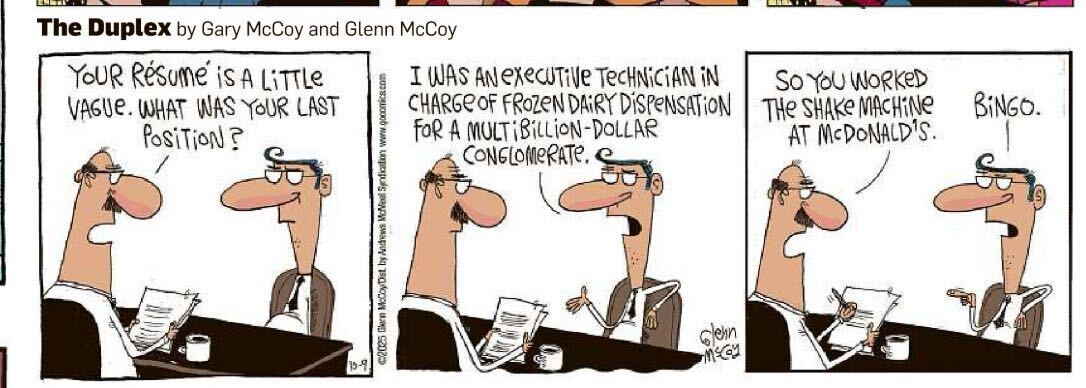
The kid’s name was Bruce – true story. He bought a delicatessen called, ‘What’s Your Beef,’ in Peabody, Massachusetts. He knew nothing about the business and, apparently, had little interest in learning it. Perhaps he thought he knew it all. Here’s the thing, he’d purchase a side of ham for $100, divide it into 10 equal sellable slices, and sell each slice for $9.95. I told him, “You’re paying $100 for the ham and selling it for $99.50 – you’re losing money. As a ‘result,’ he did not address and fix the numbers, and eight months later, my youngest brother closed the business. The result of not knowing his numbers was three-fold: 1) He lost $65,000. 2) He could have earned $50,000. 3) The time lost can never be made up.
Chanel lost her job, it doesn’t matter why. What does matter is how Chanel plans to spend her time and money to get a definite result… a job within 90 days. She said, “I used to spend 50 hours a week at work and work related activities like commuting. So I budgeted 50 hours a week to conduct a transition campaign. I had limited financial resources, so I made sure 50% of my campaign was going to be aggressive networking. That’s 25 hours a week, five hours a day, Monday through Friday.” The other 25 hours were invested in target marketing (15 hours a week) and working online venues (10 hours a week). Chanel knew the results she wanted (a job within 90 days), and developed a measurable strategy to meet those goals with timelines and a financial budget, as small as it was.
In the three decades I’ve been coaching resume writers and career coaches, if there’s one constant that rings true almost every time is that 1) they do not get paid for the full value they offer their customers, and 2) they do not know how to optimize their resources of time, money, and energy to ensure they optimize their sales and income – to get paid full value for the services and products they offer.
In attempting to correct this, most resume writing and career coaching pros, as well as most business coaches, would begin to address this “undervaluement issue” by budgeting. This is the time of year where most will begin to explore how best they can maximize their value and income. What do I anticipate my sales (income) to be and should I increase my prices? Can I add any new services to improve sales? What do I expect my expenses to be? How much money do I need to spend on upgrading my technologies? What are my fixed expenses? What are my variable expenses? What are my inevitable expected-unexpected expenses anticipated to be?
Then there’s budget methodology itself, because different methods work for different people and different enterprises, and selecting one that works best for one’s short and long-term success is important. This would include the 50/30/20 strategy, Zero-based budgeting, the Envelope system, and the Pay-Yourself-First method. The goal, again, is to optimize potential sales, earnings, income, reputation, and value.
But that’s not where we begin. In a profession where most resume writers and career coaches are undervalued, earn less than they are worth to those they serve, and fail to achieve the level of respect they deserve, the transformational process to reverse this, and earn the money and respect we deserve, begins with evaluating and changing our own job search processes.
Sue’s Questionnaire
I have written before of a highly successful resume pro who hired me to help reduce the time it took her to write C-level resumes. I knew Sue’s process and knew I could help her. She had a 3-step process: 1) clients completed a detailed questionnaire, 2) Sue spent two hours with each client to review and discuss their responses to the questionnaires, and 3) she spent significant time with clients on the final ‘review, edit, revise, and complete’ portion of the process.
I asked her, “When was the last time you thoroughly reviewed and updated your questionnaire, as this is one-third of your resume writing process?” We had just discussed the strategy of asking higher quality questions, because asking higher quality questions results in getting higher quality, more focused and precise answers. Sue’s answer was, “Never.” And she had been in business for over 10 years. Once we totally revamped her questionnaire, she was able to knock off almost two hours per client.
From a budgeting standpoint, consider that in 2025, the process of writing a C-level resume took Sue 7 hours, but in 2026, armed with new tools and strategies, she will be able to do the same high quality job in 5 hours… and this will have a substantial impact on her budget!
Rachel’s Free Advice
Rachel had a resume writing company and 100% of her income came from writing resumes. Before she put together her next year’s budget, she reflected on every aspect of her business, and how she spent her time. And she had a major breakthrough. Rachel realized she was spending a lot of time giving away too much “interviewing” tips to her resume clients – for free! She realized if she could change her process, she could get paid for the free hours she was giving away. With a new component in place, Rachel added a new income stream to her budget, and sold interviewing services to 30% of her resume clients.
By investing time reviewing, evaluating, and revising our processes before we begin budgeting, we’ll find unique and easy ways to reduce expenses, increase sales, and earn more money in ways we otherwise would not have considered. Rachel said, “I knew what my rent was. I knew what my cell phone bill was. I knew what my car payment was. But I didn’t really know what my hourly rate was, when I thought about all the free time I gave away and didn’t charge for. I thought I was making $125 an hour, but I now realize that every minute counts, and when I think of all the additional free stuff I gave away, I realized I have been making less than $90 an hour.
In hidden circles it’s called TMR (Test Marketing the Resume). For every resume I wrote over the years, I saved between 60-90 minutes per client by never taking final responsibility for proofreading. Like a printing company, I delegate this to my clients. Believe what you want, but I wrote 12 books for McGraw-Hill, and had five editing proofreaders for each one. You can’t believe what is missed. My personal belief is that the writer cannot be the final proofreader.
When my client and I are pleased with the final resume, we then go into TMR mode – I ask them to test market the resume. I ask them to show it to four or five people whose opinions they trust for feedback, typos missed, or any other potential changes. When they return, they know exactly what changes they want to make – and are more confident in their resume because others were impressed with it. Using the TMR method, you can reduce final proofreading time by as much as 85% with less stress and hassles. This will affect your budget and provide more time to earn more money, or to spend with your family.
Whatever your overriding objectives are, whether it be more income, free time, less stress, working with ideal clients – or all of the above, before you can do a budget, you first must review, evaluate, and improve all of your systems and processes – like the iPhone does every year. What improvements can you make that can justify higher prices? What new services could you add that you don’t want to perform yourself, but can offer by creating a colleague referral system? What new upgrades and AI advancements do you need to integrate to be more efficient, productive, and to operate optimally? Once answered, then create a budget based on your new, revised processes, systems, and strategies. It makes a significant difference to how you budget and how you achieve your bottom line goals.
| View in browser | |||||||||||||||||||||||||||||||||||||||||||||||||||||||||||||||||||||||||||||||||||||||||||||||||||||||||||||||||||||||||||||||||||||||||||||||||||||||||||||||||||||||||||||||||||||||||||||||||||||||||||||||||||||||||||||||||||||||||||||||||||||||||||||||||||||||||||||||||||||||||||||||||||||||||||||||||||||||||||||||||||||||||||||||||||||||||||||||||||||||||||||||||||||||||||||||||||||||||||||||||||||||||||||||||||||||||||||||||||||||||||||||||||||||||||||||||||||||||||||||||||||||||||||||||||||||||||||||||||||||||||||||||||||||||||||||||||||||||||||||||||||||||||||||||||||||||||||||||||||||||||||||||||||||||||||||||||||||||||||||||||||||||||||||||||||
|

I, like many people, identify as a Wordle Person. If you’re not familiar, the New York Times hit game released in 2021 and gives you six chances to guess a five-letter word. You get hints as you go — a green letter means it’s the right letter in the right space, yellow is the right letter in the wrong space, and grey means that letter isn’t in the word.
It’s a simple enough game, but I became completely addicted during the height of the COVID-19 pandemic. And, because I’m me, I approach it methodically every day with the same approach. I start with my designated Opening Word, which has some statistically popular consonants and vowels. Then depending on how many hits I get, I choose from a few different second-round words that will help fill in the gaps.
Most days, this process is enough for me to get the right answer in three to four guesses. But some days, things just don’t work out that way. I stick to my system, and after all my thought-out, well-educated guessing, I’m left with one yellow letter and no idea where to go from there.
Which is when my methodology goes out the window, and I start to brute force it.
It’s not pretty. I start playing words that I know couldn’t possibly be right just to try and get more information. I make dumb guesses just so I can get to the next step with, hopefully, an extra scrap of information. Most often, this “strategy” doesn’t work out, and in a pique I end up blowing all of my guesses just trying to make something happen.
I still get the Wordle in 3.6 guesses on average, so I can’t be too upset that sometimes I flame out. But one day I was stomping down this familiar spiral, getting heated up as I stared down row after row of grey on my third guess, when I suddenly received a horrible splash of cold water right to the face with a chilling realization: This is exactly like my management style.
Through a mix of experience and research, I usually know what to do when it comes to managing people and money. I can recognize the patterns and plan 3-5 moves ahead to get where I want to be.
But sometimes, the patterns simply don’t appear the way I expect them to. When that happens, I can start making moves that I know aren’t going to get me there. But I do them anyway, because I’m frustrated with the situation and insist on moving forward just to try and hope something works and shakes loose an answer.
This was revelatory for me — I’ve had a long career, and I’d never noticed this behavioral pattern. Using trial and error comes naturally to me, but it had never occurred to me that I could get locked into ineffectual behaviors when the patterns in the world around me don’t do what I expect them to.
I’d love to leave you with a pithy answer about how to break this cycle and get out of your own bad habits, but I’m still grappling with the realization that I’ve done this behavior for X-odd years and never realized it. I hope to break this cycle one day, but I’m not at that point yet.
Instead, I leave you with a question: Could you be stuck in a box without seeing it? I certainly was, even when this pattern was manifesting in different areas of my life. Whether you’re a Wordler or not, it could be worth it to critically examine your thought process in some areas not related to how you manage. You may be surprised by the patterns that unveil themselves and how much they overlap with your approach to problems in your profession.

We kicked off September talking about the Back to Biz reset, the post-summer, post-Labor Day energy that gets clients (and us!) back into work mode. That reset isn’t just a seasonal shift; it’s an opportunity.
Now that we’ve dusted off our inboxes and kicked the sand out of our work shoes, it’s time to build. And October, my friends, is go time.
Welcome to Q4: the most overlooked and important strategic window of the year.
There’s something about a new year that makes us feel like everything resets, like we’ll finally have the time, energy, and headspace to make the changes we’ve been putting off, but we all know how that usually turns out…
While January gets all the attention for fresh starts, truly setting yourself up for success in 2026 starts now.
72% of small business owners say the final quarter of the year is their most strategic planning period and more impactful than January goal setting (QuickBooks Annual Survey, 2023).
So, why wait?
The final stretch of the year can often be treated like a wind-down, when in reality, it can be your warm-up. Your runway. Your pivot point.
Whether your summer felt slow, your year got away from you, or you’ve been stuck in reactive mode, this is your reminder:
You have time. You have tools. You have a whole quarter left.
Let’s use it.
We typically enter October in one of two modes:
Neither leads to great momentum.
But what if we shifted from scrambling to strategizing?
Q4 is prime time for intentional reflection and business refinement. It’s a season of clarity if you let it. You don’t need a new year. You need a new plan.
You’ve probably heard the stat that 80% of New Year’s resolutions fail by February, but did you know:
Businesses that create quarterly plans are 33% more likely to hit their annual goals than those that don’t. (U.S. Bank Small Business Survey)
1. Set a Q4 Focus (Not a Finish Line)
Forget big resolutions or full-year catch-up. Choose one thing to move forward:
This isn’t about adding pressure—it’s about channeling your energy where it counts.
Try this: Block off a 90-minute “sprint session” each week for this priority. Name it. Protect it. Act on it.
2. Refine What You’re Selling Before January
Your Q1 clients are already out there; they’re just not raising their hands yet. Use this time to clean up your offer suite:
Try this: Ask yourself, “Is my website/LinkedIn ready for who I want to serve in 2026?” If not, make the update now, before you’re buried in January inquiries.
3. Reignite Relationships (Without Pitching)
Q4 naturally lends itself to reflection and gratitude, which makes it a great time to rekindle authentic connections. Hey, it’s one of the reasons we tell our job seeker clients to network during the holidays! Take our own advice and:
Try this: Make a short list of 5 people you’d love to reconnect with and set a simple goal: one meaningful message per week until Thanksgiving.
4. Start the Year Before It Starts
January success doesn’t come from thin air. It’s built now. Carve out time for planning, not just doing.
Try this: Block a solo “CEO Day” in late October or early November to:
It doesn’t have to be perfect, but having a plan in motion means you enter January proactive instead of reactive.
5. Show Up with Value
Momentum isn’t just about planning; it’s about visibility.
Whether it’s publishing a thought leadership post, hosting a mini workshop, or sharing behind-the-scenes progress on your Q4 sprint, showing up with something useful builds trust, credibility, and momentum before year-end.
Try this: Choose one way to show your work before Thanksgiving: share a resource, a client win, or even a lesson learned. Keep it real, not perfect.
Q4 isn’t your last chance. It’s your launch pad.
You don’t have to squeeze a year’s worth of progress into three months, but you can make moves that carry you into 2026 with clarity, confidence, and momentum.
As the saying goes:
“The best time to plant a tree was 20 years ago. The second-best time is now.”
Whether it’s refining an offer, sending that email, or finally putting your CEO day on the calendar, this is your moment to put you and your business first.
Take one hour this week and answer these three questions:
Pick one. Schedule the next step. Make it real.
You don’t need to do everything. You just need to start.
Your Friend and Coach,
Angie Callen, PCC, CPCC, CERW, CPRW

If you’ve worked as a career coach or resume writer, you’ve likely had a client slide their resume across your desk and say, “Can you just fix this for me?” Sometimes it’s just a resume or cover letter, and other times it’s their whole career direction. The request often comes from a place of stress, and while it’s tempting to wave a magic wand and solve everything, doing so leaves you carrying the whole load. Not only does this risk burnout for you, but it also robs your client of the chance to learn, grow, and build confidence. The key is finding balance. How can we stay supportive, set healthy boundaries, and still guide our clients toward real growth?
Start with empathy.
When a client says, “I can’t do this, you do it,” it usually comes from stress, anxiety, or discouragement. Acknowledge their feelings to ease resistance and show compassion. Simple responses like, “I hear how stressful this feels for you,” or “I get it—resumes and job searches can feel overwhelming” validate their emotions without taking on their burden.
Clarify your role and set clear boundaries.
Position yourself as a guide, not a fixer. For example: “I’ll create a strong draft for your resume, but I’ll also need your input to make sure it reflects your voice and experiences.” Boundaries can be supportive when delivered with care: “I can revise this section for you, but I’ll need your accomplishments, so it truly represents you.” This helps clients understand you’re a partner, not a replacement. This sets limits while showing you’re invested in their success.
Shift the focus to teamwork.
Frame the process as a collaboration: “We’ll work on this together, you bring the details, I’ll bring the strategy.” You can also invite small contributions: “How about you give me your top three accomplishments, and I’ll help shape them into strong bullet points.” This empowers clients and reminds them they’re capable of meaningful input.
Use small, doable steps.
Large tasks feel overwhelming, so break them down into manageable parts. Instead of saying, “Rewrite your whole work history,” try: “Today, let’s just focus on your most recent job.” This keeps progress moving while building the client’s confidence.
Teach, don’t just tell.
Rather than handing over a finished product, explain your edits and the reasons behind them. Showing why you adjusted phrasing or formatting helps clients build skills for the future and feel more ownership of their career tools.
Protect your own mental health.
It’s easy to carry clients’ stress home with you. You can be caring and professional without overextending yourself. Protecting your time and energy ensures you can keep serving clients well without burning out.
Remember: Your job is not just to “fix it.” It’s to empower. When clients participate in the process, they leave with confidence, not just a polished resume.
Here’s to mindful moves,
Felicia A. Shanklin, M.Ed., CPRW
Licensed Mental Health First Aid Instructor (Adult)
Balanced Harmony Master Series Director

When it comes to financial planning, one golden rule is “every dollar needs a purpose”. The same is true with the résumé. Every line should add value to the story. Just as a smart budget reflects spending priorities, a smart résumé reflects the right mix of skills and experience that will help clients reach their next career goal.
If you think of the résumé as a career capital spending plan, here is how to allocate wisely:
In financial terms, income often comes from multiple streams. In career terms, “income” refers to things like technical expertise, leadership experience, industry knowledge, or certifications. By showcasing the top skills that align with the target role, you’re building a budget on a solid foundation.
Overspending in a budget usually means paying for things you don’t need. On a résumé, it means giving too much space to old or irrelevant roles. That summer retail job from 15 years ago may only need a one-line mention, while your recent project leadership deserves several bullet points. The goal is to cut out “luxury expenses” that don’t support future career goals.
Just as your financial budget prioritizes rent, utilities, and groceries, your résumé should prioritize the skills employers value most. Job postings will reveal clues. If employers consistently list data analysis, project management, or client relations, those are the “essential expenses.” Make sure they appear prominently throughout the résumé.
Think of each résumé section as a budget category: The Professional Summary expresses the financial goals of the career target; the Core Competencies showcase the top 8–12 skill categories, just like budget line items; the Work History provides a detailed record of where the client invested their time and how it paid off; think of the Education section as a long-term savings account, adding credibility and future growth potential. Balanced allocation ensures that no one section “blows the budget.”
Just as financial planning always comes back to return on investment (ROI), career budgeting means highlighting measurable outcomes wherever possible. Helping clients quantify the impact of their work is the link between skills acquired and results delivered, just like an investment report provides concrete proof of performance victories and financial growth.
A well-structured résumé works just like a smart budget: it cuts out waste, prioritizes what matters, and clearly shows where value was created (or at the very least…COULD be created). A cluttered or unfocused résumé might require a budget reset to better allocate space for maximum career ROI. That’s where we come in.
Think of career financial planning as making sure that every word and every line of the résumé is working hard on your client’s behalf. The tighter and more purposeful the allocation, the stronger your results.